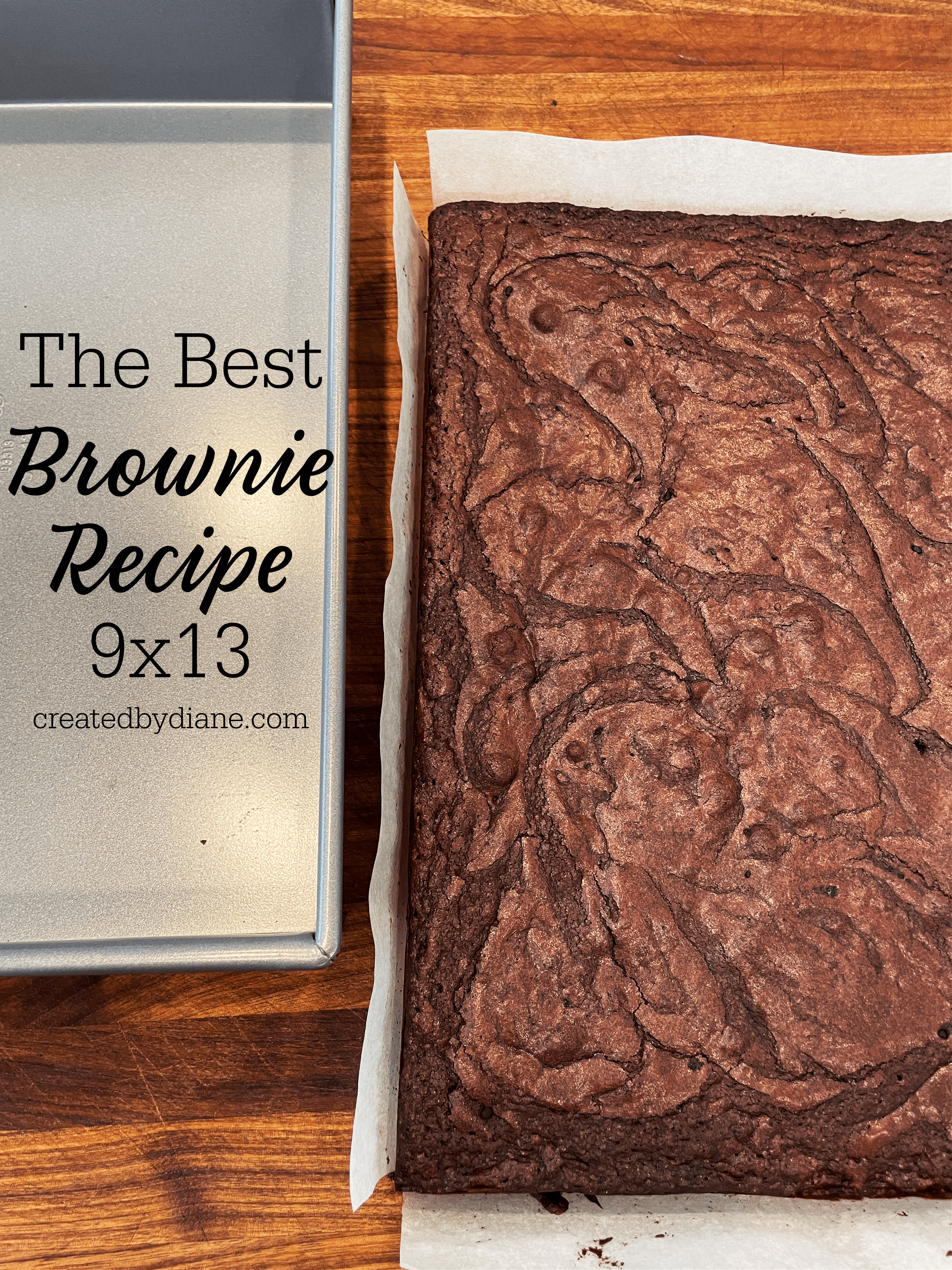
Unlock the Secret to Perfect Brownies: Your Ultimate Pan & Parchment Guide
Few things in the culinary world evoke such universal delight as a perfectly baked brownie. That ideal balance of a rich, fudgy interior, delightfully chewy edges, and a signature crackly top is the stuff of dessert dreams. While a fantastic ultimate fudgy brownie recipe forms the foundation, achieving this textural nirvana often hinges on more than just the ingredients you mix. Believe it or not, the pan you choose and how you prepare it can make all the difference, transforming a good brownie into an unforgettable one. This comprehensive guide will delve into the often-overlooked yet critical aspects of baking perfect brownies: selecting the right pan and mastering the art of parchment paper lining.
We're talking about brownies that consistently outperform boxed mixes in blind taste tests, brownies so loaded with chocolate they're practically one step away from pure fudge. The secrets to these superior treats lie not just in the careful blending of melted chocolate, cocoa powder, and chocolate chips, but also in the environment you create for them in the oven. Prepare to elevate your brownie game from good to genuinely legendary.
The Unsung Heroes: Pan Choice & Parchment Paper
Imagine investing in premium chocolate, carefully measuring your sugar and flour, and perfecting your whisking technique, only to have your brownies stick to the pan or emerge with an uneven texture. Frustrating, right? This is precisely why understanding the role of your baking pan and the magic of parchment paper is so crucial. These aren't just supporting characters in your baking drama; they are essential players that dictate how your brownies bake, cool, and ultimately taste and present themselves.
The right pan ensures even heat distribution, influencing everything from the chewiness of the edges to the fudginess of the center. Meanwhile, parchment paper offers a non-stick release that traditional greasing simply can't match, promising clean cuts and effortless lifting. Together, they create an optimal baking environment, ensuring every batch of your beloved homemade brownies reaches its full potential.
Decoding the Pan Debate: Metal, Glass, or Ceramic?
The type of baking pan you reach for has a profound impact on the final texture of your brownies. Each material conducts heat differently, leading to distinct results. Understanding these nuances allows you to choose the best pan for your desired outcome, or adjust your baking method accordingly.
The Gold Standard: Metal Pans
For most bakers, a 9x9-inch metal pan (preferably not dark-colored) is the undisputed champion for baking brownies. Why? Metal is an excellent heat conductor. It heats up quickly and evenly, ensuring that your brownies bake consistently from edge to center. This consistent heat transfer is what gives you those coveted crispy, slightly chewy edges paired with a perfectly fudgy, moist center. Aluminum pans are particularly favored for their even heating properties.
- Light-Colored Metal Pans: These are ideal as they reflect heat, preventing the edges from over-browning before the center is done.
- Dark or Non-Stick Metal Pans: While convenient, dark-colored pans absorb more heat, which can lead to overcooked, dry edges and bottoms. If you're using one, it's wise to lower your oven temperature by about 25°F (15°C) and start checking for doneness a few minutes early.
The Softer Touch: Glass Pans
Glass pans, while beautiful, are a different beast. They heat up much slower than metal, and once hot, they retain heat for longer. This can result in brownies with softer edges and a slightly different texture overall. Because of the slower heat conduction, your brownies will generally need more time to bake through.
- Baking Adjustment: Expect to add an extra 5-10 minutes to the recommended baking time when using a glass pan. Also, be mindful that the edges might appear less defined and slightly softer than those baked in metal.
- Potential for Unevenness: If not preheated properly with the oven, glass can sometimes lead to less even baking, with the center taking longer to set.
Elegant & Even: Ceramic Pans
Similar to glass, ceramic pans heat slowly and retain heat well. They offer a more gentle, even bake, which can be lovely for certain desserts. However, like glass, they typically require a longer baking time for brownies compared to metal pans. Ceramic pans also have the aesthetic advantage of going straight from oven to table.
- Baking Adjustment: Start checking for doneness at the recipe's recommended time, but don't be surprised if your brownies in a ceramic pan require a few extra minutes to achieve that perfect set.
Pan Size Matters for the Ultimate Fudgy Brownie Recipe
The dimensions of your pan are just as critical as its material. A 9x9-inch square pan is often cited as the sweet spot for achieving thick, rich, and truly fudgy brownies. As some experts found, switching from a larger 9x13 pan to a 9x9 resulted in a significantly denser and more decadent final product. A smaller pan means more height for your batter, leading to that luxurious, thick brownie texture that’s almost like eating fudge. If you opt for a larger or smaller pan, be prepared to adjust your baking time – thinner brownies will bake faster, while thicker ones need more time.
The Parchment Paper Advantage: Lifting Brownies to New Heights
While a quick spray of nonstick cooking spray or a smear of butter might seem sufficient, embracing parchment paper is a game-changer for homemade brownies. It's the secret to effortless removal, perfectly clean cuts, and a professional finish, preventing the frustrations of sticky edges and crumbling bottoms.
Why Parchment is Your Brownie's Best Friend
Greasing your pan can sometimes leave a subtle greasy film on the edges of your brownies and, despite your best efforts, can still lead to sticking, especially with very fudgy recipes. Parchment paper eliminates these issues entirely, offering a seamless, non-stick barrier between your delicate brownies and the hot metal.
- Effortless Removal: The primary benefit is the ease with which you can lift your entire slab of cooled brownies out of the pan. No more struggling with spatulas or risking breakage.
- Cleaner Cuts: Once lifted onto a cutting board, brownies can be sliced cleanly and precisely without tearing or crumbling.
- Perfect Edges: Parchment paper helps maintain the integrity of your brownie edges, ensuring they are beautifully formed and free from stuck-on residue.
- Easier Cleanup: With parchment paper, your pan will be practically pristine, making post-baking cleanup a breeze.
How to Line Your Pan Like a Pro
Lining your pan with parchment paper is incredibly simple and takes mere seconds, yet the benefits are immense. Here’s how to do it for flawless results:
- Measure and Cut: Tear a piece of parchment paper slightly larger than your pan, ensuring it extends beyond two opposite sides. These overhangs will serve as your "handles."
- Secure the Base: Lightly spray the bottom of your pan with non-stick cooking spray or rub a tiny bit of butter. This isn't for preventing sticking, but rather to help the parchment paper adhere to the pan, preventing it from shifting as you pour in the batter.
- Lay it Down: Press the parchment paper into the pan, allowing the excess to hang over two sides. You can even create a "sling" by folding the parchment slightly before pressing it down, which makes lifting even easier. The two unlined sides of the pan will create natural, slightly firmer edges, complementing the softer, parchment-protected sides.
- Pour and Bake: Once the parchment is snugly in place, pour your ultimate fudgy brownie recipe batter directly onto it.
Beyond the Pan: Crafting the Ultimate Brownie Recipe
While pan choice and parchment paper are foundational, the journey to the ultimate brownie involves key techniques within the recipe itself. These methods, often born from rigorous testing and countless taste-testers, are what impart that signature fudginess, the delightful crackly top, and an unrivaled depth of chocolate flavor. For more in-depth insights into these techniques, be sure to check out Secrets to Ultra-Fudgy Brownies with a Crackly Top.
The Crackly Top Conundrum
That coveted, shiny, tissue-thin crackly top isn't just for aesthetics; it's a hallmark of a well-made brownie. The secret lies in a specific whisking technique involving sugar and eggs:
- Vigorous Whisking: After combining melted butter and sugar, add your eggs and whisk vigorously for approximately one minute. You're aiming for the mixture to lighten in color, become slightly frothy, and drip smoothly off your whisk in ribbons. This energetic whisking incorporates air and creates a stable emulsion, forming a thin, sugary layer that bakes into that beautiful, crackly crust.
The Gentle Fold: Preserving Perfection
Once you've introduced flour and cocoa powder to your batter, the method of mixing changes dramatically. Over-mixing at this stage is a common pitfall that can lead to tough, cake-like brownies.
- Switch to a Spatula: Abandon the whisk and switch to a rubber spatula. Gently fold the dry ingredients into the wet until just combined. Over-mixing develops gluten, which can make your brownies chewy in the wrong way, losing that delicate fudginess. It also knocks out the precious air you incorporated earlier for the crackly top.
Triple Chocolate Threat for Fudginess
For a brownie that truly stands out, often described as "one step away from pure fudge," a triple dose of chocolate is essential. This typically involves:
- Cocoa Powder: Provides deep, intense chocolate flavor.
- Melted Chocolate: Adds richness, moisture, and a smooth texture.
- Chocolate Chips: Creates pockets of gooey, melted chocolate throughout the brownie.
Some expertly developed recipes even reduce the overall sugar content slightly to let the pure, unadulterated chocolate flavor shine through, resulting in a less sweet, more intensely chocolatey brownie.
The Power of Testing
The best brownie recipes aren't created in a single go. They are the result of rigorous testing, often involving countless iterations and a panel of taste-testers. Recipes that have undergone such scrutiny, even beating out popular boxed mixes in blind taste tests, offer a level of reliability and perfection that home bakers can trust. This commitment to perfection ensures that every tip and technique shared is tried, tested, and truly transformative.
Conclusion
The journey to baking the perfect batch of brownies is a delightful blend of art and science. While the allure of rich chocolate and sugary goodness often dominates our thoughts, the seemingly mundane aspects of pan choice and preparation are, in fact, pivotal. By opting for the right metal pan, understanding its heat dynamics, and mastering the simple yet transformative technique of parchment paper lining, you empower your ultimate fudgy brownie recipe to truly shine.
Coupled with key mixing techniques—like vigorous whisking for that iconic crackly top and gentle folding to preserve fudginess—these practical tips ensure every brownie emerges with that ideal balance of chewy edges, a gooey center, and an irresistible texture. So, next time you crave that intensely chocolatey, fudgy square, remember these insights. Your efforts will be rewarded with brownies that aren't just good, but truly extraordinary.
